
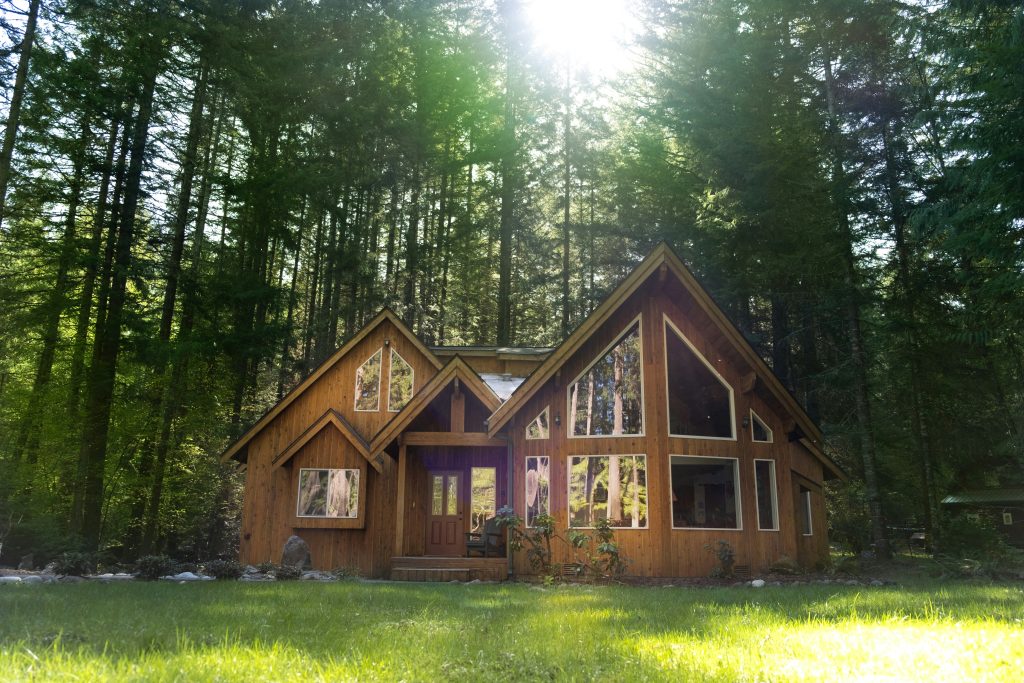
Here are 10 must-know tips for a seamless Airbnb experience:
Finding the perfect Airbnb starts with knowing how to navigate the platform’s robust search capabilities. Don’t just plug in your destination and dates; dive deep into the filters to ensure you’re seeing listings that truly match your needs and expectations. This proactive approach saves time and prevents disappointing surprises upon arrival.
Understanding Essential Filters
- Price Range: This is the most obvious filter, but be strategic. Consider not just the nightly rate but also the cleaning fees and service fees that Airbnb adds. A seemingly cheap nightly rate can quickly escalate. Look for the total estimated cost to get a true comparison.
- Entire Place vs. Private Room vs. Shared Room: This dictates your level of privacy. An “entire place” offers complete exclusivity, a “private room” gives you your own bedroom with shared common areas, and a “shared room” means you’ll be sharing a bedroom with others. For business travelers or those seeking quiet, “entire place” is usually the best bet.
- Number of Bedrooms/Beds/Bathrooms: Crucial for ensuring everyone in your party has comfortable sleeping arrangements and adequate facilities. Don’t underestimate the need for enough bathrooms, especially for larger groups.
- Amenities: This is where you can really tailor your search. Consider:
- Wi-Fi: Essential for most travelers, especially those working remotely. Check for speed if you have specific requirements.
- Kitchen: If you plan to cook, ensure it has the appliances and utensils you need (e.g., oven, microwave, coffee maker, pots, pans).
- Workspace: For digital nomads, a dedicated desk and good lighting are vital.
- Air Conditioning/Heating: Essential depending on your destination’s climate.
- Parking: If you’re driving, confirm availability and any associated costs.
- Pet-Friendly: If you’re traveling with an animal, this is non-negotiable.
- Accessibility Features: For guests with mobility concerns, filters for wheelchair access, step-free entry, and grab bars are critical.
Leveraging Advanced Search Options
- Instant Book: This allows you to book a listing immediately without waiting for host approval. It’s convenient for last-minute plans or when you want to secure a place quickly. However, be sure to read the listing carefully as you can’t ask questions before booking.
- Superhosts: These are hosts with a proven track record of excellent guest experiences. They tend to be highly responsive, accurate in their descriptions, and go the extra mile. Filtering for Superhosts often leads to a more reliable booking.
- Cancellation Policy: Pay close attention to this. Policies range from strict to flexible, and understanding them upfront can save you money and hassle if your plans change.
- Neighborhood/Location: Beyond just the city, Airbnb often allows you to zoom in on specific neighborhoods. Use this feature to understand the local vibe, proximity to attractions, and public transport links.
2. Decode the Listing: Beyond the Photos
High-quality photos are a major draw, but they can also be misleading. A truly seamless Airbnb experience comes from thoroughly reading and understanding the entire listing description, not just skimming the pictures. Hosts are obligated to provide accurate information, and the description is where they do it.
Key Sections to Scrutinize
- The Host’s Description: This is the host’s chance to tell you about their space, its unique features, and what to expect. Look for details about the neighborhood, local recommendations, and any specific rules or quirks of the property.
- House Rules: This is critical. Hosts can set specific rules regarding smoking, parties, quiet hours, pets, and even shoe-wearing indoors. Violating house rules can lead to disputes or eviction.
- Amenities List: Cross-reference this with your needs. If Wi-Fi is listed, confirm its speed if possible in the reviews or by asking the host. If “kitchen” is listed, what does it include?
- Sleeping Arrangements: Don’t just assume a “2-bedroom” listing means two queen beds. The description will detail the types and sizes of beds and sleeping surfaces.
- Check-in/Check-out Instructions: Understand the process. Is it self-check-in with a lockbox, or do you need to coordinate with the host? Are there any specific times for arrival or departure?
Utilizing Reviews for Unvarnished Truths
- Read Recent Reviews: Older reviews might not reflect the current state of the property or the host’s attentiveness. Focus on reviews from the last 6-12 months.
- Look for Patterns: Are multiple guests mentioning the same issue (e.g., noisy neighbors, weak Wi-Fi, cleanliness concerns)? Conversely, are many praising the host’s responsiveness or a specific feature?
- Pay Attention to Detailed Reviews: Guests who describe their experience in detail, mentioning specific aspects of the stay, often provide the most valuable insights.
- Read Reviews from Similar Travelers: If you’re a business traveler, look for reviews from other business travelers. If you’re traveling with family, seek out reviews from families.
- Don’t Ignore Negative Reviews Entirely: Even a 5-star listing might have a few negative reviews. See if the host responded to the feedback and how they addressed it. Sometimes, a single negative review is an anomaly, but consistent complaints are a red flag.
3. Communicate Proactively with Your Host

Clear and timely communication with your Airbnb host is the cornerstone of a stress-free stay. Before you book, during your planning, and even upon arrival, open lines of communication can prevent misunderstandings and enhance your overall experience.
Pre-Booking Questions to Ask
- Clarify Ambiguities: If anything in the listing description is unclear, ask for clarification. For example, if the listing mentions “parking,” ask if it’s on-street, in a driveway, or a designated spot, and if there are any fees.
- Specific Needs: If you have particular requirements (e.g., a quiet room away from street noise, extra pillows, specific kitchen utensils), inquire if they can be accommodated.
- Local Recommendations: Hosts are often a wealth of local knowledge. Ask for their favorite restaurants, hidden gems, or transportation tips.
- Pet Policies: Even if the listing is “pet-friendly,” it’s wise to confirm the specifics – are there size or breed restrictions? Is there an additional fee?
During Your Stay: Staying Connected
- Confirm Arrival Details: A day or two before your arrival, reconfirm your estimated arrival time and the check-in procedure.
- Report Issues Promptly: If you encounter any problems during your stay (e.g., a broken appliance, a cleanliness issue), inform your host immediately. Most hosts are eager to resolve issues to ensure guest satisfaction. Documenting the issue with photos or videos can be helpful.
- Ask for Assistance: Don’t hesitate to ask for help if you need it. This could range from operating a specific appliance to getting directions.
- Respect Their Communication Style: Some hosts prefer messages through the Airbnb platform, while others might offer a phone number. Adapt to their preferred method for efficient communication.
The Power of a Post-Stay Follow-Up
- Thank Your Host: A simple thank you message after your stay is always appreciated.
- Provide Honest Feedback: Your review is valuable to future guests and the host. Be honest and constructive in your feedback.
4. Pack Smart: Anticipate Your Needs

Packing strategically for an Airbnb stay goes beyond just clothing. Consider the amenities provided (or not provided) by the host and the nature of your trip to ensure you have everything you need for comfort and convenience.
Essential Items to Consider
- Toiletries: While many hosts provide basic toiletries, they might not be your preferred brands or sufficient for your entire stay. Bring your own shampoo, conditioner, body wash, toothbrush, and toothpaste.
- Medications and First-Aid: Pack any prescription medications and a basic first-aid kit for minor cuts or scrapes.
- Chargers and Adapters: Ensure you have all the necessary chargers for your electronic devices. If you’re traveling internationally, don’t forget travel adapters.
- Comfort Items: If you have specific comfort items like a favorite pillow, a cozy blanket, or earplugs for light sleepers, bring them along.
- Kitchen Staples: If you plan to do any cooking, consider bringing a few non-perishable kitchen staples like your favorite spices, olive oil, or coffee filters. While many kitchens are well-equipped, specific items can elevate your cooking experience.
- Entertainment: While your Airbnb might have a TV, bring a laptop, tablet, or books for downtime, especially if you’re traveling to a location with limited entertainment options.
- Reusable Water Bottle and Coffee Cup: Good for the environment and often accepted at local cafes.
- Snacks: Especially for arrival or late nights when local stores might be closed.
Items to Potentially Leave at Home (and why)
- Excessive Linens and Towels: Most Airbnb hosts provide an adequate supply of clean linens and towels. Overpacking these can be a burden.
- Large Appliances: Unless specifically requested and agreed upon, don’t expect to find large appliances like hair dryers or irons unless they are listed as an amenity. However, many hosts do provide these. Always check the listing!
- Full-Sized Toiletries: Unless you’re on an extended stay or have very specific needs, travel-sized toiletries are usually sufficient.
5. Embrace the Local Vibe: Be a Respectful Guest
| Metrics | Data |
|---|---|
| Number of Listings | 500 |
| Average Daily Rate | 150 |
| Occupancy Rate | 80% |
| Revenue per Available Room | 120 |
Staying in an Airbnb offers a unique opportunity to immerse yourself in a local neighborhood. To ensure a positive experience for yourself and your hosts, it’s crucial to be a respectful guest and tread lightly.
Understanding Guest Etiquette
- Adhere to House Rules: This is paramount. House rules are there for a reason and are often a reflection of the host’s personal preferences or building regulations.
- Respect Quiet Hours: Be mindful of noise levels, especially in multi-unit buildings. Avoid loud music, parties, or shouting, particularly during evening and early morning hours.
- Keep the Space Clean: While you’re not expected to deep clean, leaving the Airbnb in a reasonably tidy condition (e.g., washing dishes, disposing of trash properly) is good etiquette.
- Report Damage Immediately: If you accidentally break something, inform your host right away. Honesty is the best policy, and most hosts are understanding of minor accidents.
- Minimize Utility Usage: Be mindful of your water and electricity consumption, just as you would in your own home.
- Do Not Smoke Indoors (Unless Explicitly Allowed): This is a common house rule and a significant fire hazard.
- Secure the Property: Always lock doors and windows when you leave the Airbnb and when you retire for the night.
Interacting with Neighbors and the Community
- Be Mindful of Shared Spaces: If your Airbnb has shared common areas (e.g., hallways, courtyards, laundry rooms), use them respectfully and keep them clean.
- Introduce Yourself (If Appropriate): In some cases, if you encounter neighbors, a polite introduction can go a long way in fostering good relations.
- Understand Local Customs: Be aware of and respect local customs and traditions. This shows an appreciation for the culture you’re experiencing.
6. Master the Art of Check-in and Check-out
The logistics of arriving and departing from your Airbnb can significantly impact your overall experience. A well-planned check-in and check-out process minimizes stress and ensures a smooth transition.
Seamless Check-in Strategies
- Confirm Arrival Time: As mentioned earlier, confirm your estimated arrival time with your host a day or two in advance.
- Understand the Key Exchange: Whether it’s a lockbox code, a physical key handover, or smart lock access, ensure you have clear instructions and the necessary information well before you arrive.
- Have Host Contact Information Handy: Save your host’s phone number and ensure you have the Airbnb messaging app readily accessible on your phone.
- If Arriving Late: If your flight is delayed or you encounter unexpected travel issues, communicate with your host as soon as possible. Most hosts are understanding, but they need to be informed.
- Initial Walk-Through: Upon entering your Airbnb, do a quick walk-through to familiarize yourself with the space and identify any immediate issues. If you notice anything significant, document it with photos and notify your host.
Efficient Check-out Procedures
- Review Check-out Instructions: Hosts will typically provide specific check-out instructions, including where to leave keys, how to dispose of trash, and whether to strip beds.
- Allow Ample Time: Don’t rush your check-out. Allow yourself enough time to pack, clean up, and complete any required tasks.
- Final Sweep: Before you leave, do a quick sweep of the Airbnb to ensure you haven’t left any personal belongings behind. Check closets, drawers, and bathrooms.
- Secure the Property: Make sure all windows and doors are locked according to the host’s instructions.
- Confirm Key Return: If you’re returning a physical key, confirm the drop-off location with your host.
- Leave a Review: As mentioned, a review is a crucial part of the Airbnb ecosystem. Leave feedback for your host promptly.
7. Savvy Budgeting: Beyond the Nightly Rate
While the nightly rate is a primary consideration, a truly seamless Airbnb experience requires a more comprehensive approach to budgeting. Understanding all potential costs upfront can prevent unwelcome financial surprises.
Deconstructing Airbnb Pricing
- Nightly Rate: The base cost per night.
- Cleaning Fee: A one-time fee charged by the host to cover cleaning after your stay. This can vary significantly.
- Service Fee: Airbnb’s own fee, typically a percentage of the booking subtotal.
- Taxes: Depending on the location, local occupancy taxes may apply.
- Additional Guest Fees: Some hosts charge extra for more than a certain number of guests.
- Pet Fees: If applicable, there may be an additional fee for bringing pets.
- Security Deposit: Some listings require a refundable security deposit, which is held by Airbnb and returned after your stay if no damage occurs.
Strategies for Cost Savings
- Book in Advance: Especially during peak seasons or for popular destinations, booking further in advance can sometimes secure better rates.
- Consider Longer Stays: Many hosts offer discounts for weekly or monthly bookings. This can be a significant cost-saver if you’re staying for an extended period.
- Look for Listings with Lower Cleaning Fees: If you’re a meticulous guest who plans to keep the place very clean, you might be able to save money by choosing a listing with a lower cleaning fee, while still respecting the host’s expectations for post-stay tidiness.
- Cook Some Meals: Eating out for every meal can be expensive. Utilize the kitchen if your Airbnb has one and prepare some of your own meals.
- Utilize Public Transportation: If your Airbnb is well-located, using public transport can be much cheaper than ride-sharing or taxis.
- Be Flexible with Dates: If your travel dates are flexible, you might find better rates by avoiding peak travel times.
- Compare Prices: While on Airbnb, don’t be afraid to compare similar listings in the same area to ensure you’re getting good value.
8. Navigating Unexpected Situations: Problem-Solving Like a Pro
Even with the best planning, issues can arise during an Airbnb stay. Knowing how to navigate these situations effectively can turn a potential disaster into a manageable inconvenience.
Common Issues and How to Address Them
- Cleanliness Problems: If the Airbnb isn’t as clean as expected upon arrival, document it immediately with photos and videos. Contact your host through the Airbnb platform, explaining the issue clearly. If the host is unresponsive or unwilling to address the problem, you can contact Airbnb support for assistance.
- Malfunctioning Appliances or Amenities: If an essential amenity like Wi-Fi, heating, or a crucial kitchen appliance isn’t working, inform your host immediately. They should be able to send a repair person or offer a solution.
- Noise Disturbances: If you’re experiencing excessive noise from neighbors or other guests, try to address it politely first, if possible. If that’s not feasible or effective, contact your host or building management. For persistent issues, Airbnb support may be able to intervene.
- Key or Access Issues: If you’re locked out or have trouble with the entry system, contact your host immediately. Have a backup plan in case they are unreachable (e.g., a nearby cafe to wait).
- Misleading Listing Information: If the Airbnb is significantly different from what was advertised, document the discrepancies with photos and videos. Discuss the issue with your host first. If you can’t reach a resolution, contact Airbnb support with your evidence.
When to Escalate to Airbnb Support
- Host Unresponsive or Unwilling to Resolve: If you’ve tried to resolve an issue with your host directly and they are not cooperating.
- Safety Concerns: If you have any safety concerns about the property or the neighborhood.
- Significant Discrepancies: If the Airbnb is fundamentally different from what was advertised and significantly impacts your stay.
- After Documenting and Attempting Direct Resolution: Airbnb support will generally require you to demonstrate that you have attempted to resolve the issue with the host first.
9. The Power of Reviews: Giving and Receiving Feedback
Reviews are the lifeblood of the Airbnb platform. They not only help future travelers make informed decisions but also provide valuable feedback to hosts, encouraging them to maintain high standards.
Crafting Effective Reviews for Hosts
- Be Honest and Specific: Detail what you liked and what could be improved. Vague reviews are less helpful.
- Focus on Key Aspects: Mention cleanliness, accuracy of the listing, communication with the host, location, and value for money.
- Highlight Positive Experiences: If the host went above and beyond, or if there was a particular feature you loved, share it.
- Constructive Criticism: If there were minor issues, frame your feedback constructively. Instead of saying “the Wi-Fi was bad,” say “the Wi-Fi was a bit slow at times, which made streaming difficult.”
- Mention the Host’s Responsiveness: This is a crucial factor for many travelers.
- Rate Accurately: Ensure your star ratings align with the details in your written review.
Understanding Reviews You Receive
- Be Professional and Honest: If a host leaves you a review, respond professionally and honestly.
- Don’t Take Negative Feedback Personally (If Unwarranted): Sometimes, hosts may leave reviews based on misunderstandings or unrealistic expectations. If you feel a review is unfair, you can contact Airbnb support.
- Learn from Feedback: If there are recurring themes in reviews you receive, consider how you can improve your hosting practices if you’re a host yourself, or how you can be a better guest in the future.
10. Beyond the Stay: Maintaining a Positive Airbnb Relationship
The Airbnb experience doesn’t end when you check out. Fostering a positive relationship with your hosts, and the platform in general, can lead to repeat bookings and a more personalized travel experience.
Building Rapport with Hosts
- Be a Reliable Guest: Show up on time for check-in (or communicate delays), adhere to house rules, and leave the place tidy.
- Communicate Clearly and Respectfully: Good communication is a two-way street.
- Leave Positive Reviews: As emphasized, a good review is a great way to show appreciation.
- Consider Rebooking: If you had an exceptional experience, let your host know you’d be happy to rebook on future trips.
- Follow Up (Occasionally): For hosts you’ve had great experiences with, a brief holiday greeting or a message if you’re planning to visit their city again can be a nice touch.
Leveraging the Airbnb Platform for Future Travel
- Save Favorite Listings: If you find a place you love, save it to your wishlist for future reference.
- Follow Hosts: Some hosts have multiple properties. Following them can alert you to new listings.
- Explore Different Experiences: Beyond accommodations, Airbnb offers “Experiences” – local tours, workshops, and activities hosted by locals. These can significantly enhance your trip.
- Utilize Wishlists: Organize your saved listings by destination, trip type, or budget. This makes planning future vacations much easier.
By implementing these 10 tips, you’ll be well on your way to enjoying a truly seamless and memorable Airbnb experience, whether you’re traveling for business or pleasure.
Disclaimer: Content on dscrloansfast.com is for educational purposes only and does not constitute financial advice or a commitment to lend. Programs, rates, and terms are subject to underwriting and change without notice. Borrowers are encouraged to consult with qualified financial and legal advisors.
FAQs
What is DSCR in the context of Airbnb?
DSCR stands for Debt Service Coverage Ratio, which is a financial metric used to assess the ability of a property to generate enough income to cover its debt obligations, including mortgage payments. In the context of Airbnb, DSCR is used by lenders to evaluate the creditworthiness of hosts who use their properties as short-term rentals.
How is DSCR calculated for Airbnb properties?
DSCR for Airbnb properties is calculated by dividing the property’s net operating income (NOI) by its annual debt service. The net operating income is the property’s total income from short-term rentals minus operating expenses, while the annual debt service includes the principal and interest payments on the property’s mortgage.
Why is DSCR important for Airbnb hosts?
DSCR is important for Airbnb hosts because it helps them understand their property’s financial health and assess their ability to meet their debt obligations. It also plays a crucial role in determining the host’s eligibility for financing and the terms of the loan, as lenders use DSCR to evaluate the risk associated with lending to Airbnb hosts.
What is a good DSCR for Airbnb properties?
A DSCR of 1.25 or higher is generally considered good for Airbnb properties. This means that the property’s net operating income is 1.25 times greater than its annual debt service, indicating that it has sufficient income to cover its debt obligations and is less risky for lenders.
How can Airbnb hosts improve their DSCR?
Airbnb hosts can improve their DSCR by increasing their property’s rental income, reducing operating expenses, and refinancing their mortgage to lower their annual debt service. They can also consider diversifying their rental portfolio or implementing strategies to increase occupancy rates and rental rates to boost their property’s net operating income.