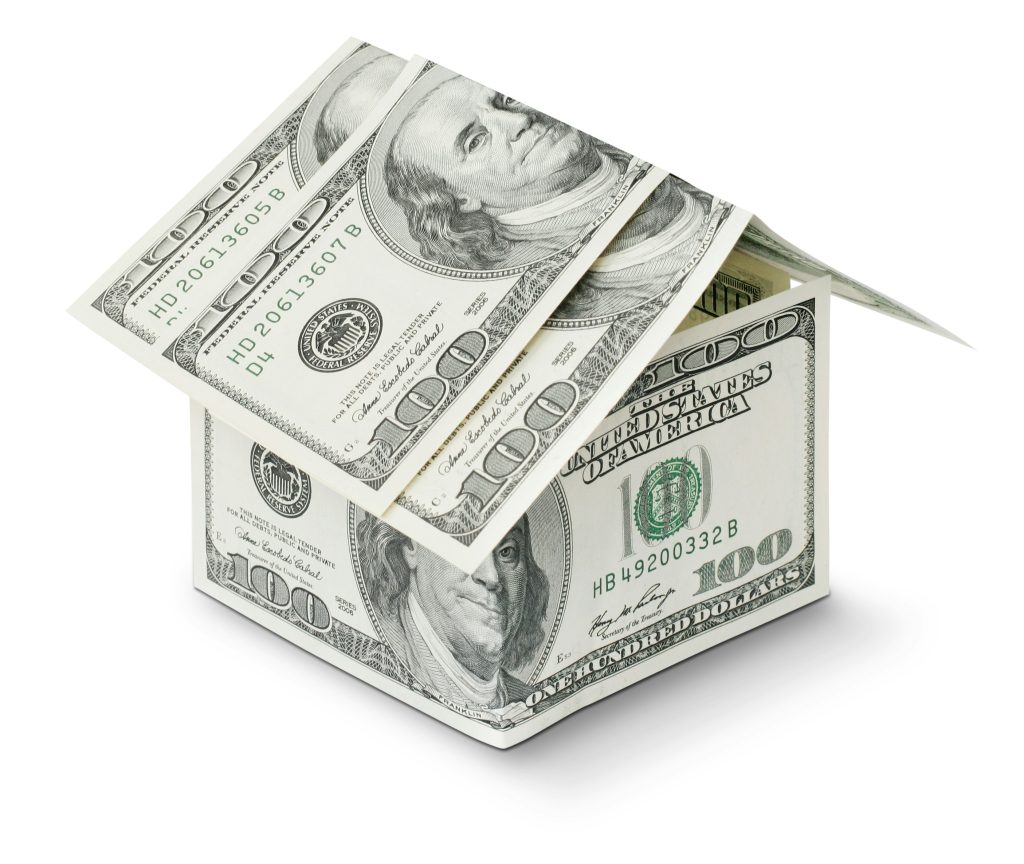

- ## Mortgage Rates: A Buyer’s Bonanza
In 2021, the housing market experienced an unprecedented surge, driven in large part by exceptionally low mortgage rates. These favorable borrowing costs provided a significant tailwind for both first-time homebuyers and those looking to refinance, making homeownership more accessible and affordable than ever before. The Federal Reserve’s accommodative monetary policy, aimed at stimulating economic recovery, played a crucial role in keeping these rates at historic lows, often dipping below 3% for a 30-year fixed-rate mortgage. This environment presented a golden opportunity for many to secure a long-term asset with affordable monthly payments.
30-Year Fixed-Rate Mortgage: The Gold Standard
The 30-year fixed-rate mortgage remained the most popular choice for homebuyers in 2021, offering stability and predictability. With rates consistently hovering around the low 3s and even dipping into the high 2s, borrowers could lock in a low interest rate for the entire duration of their loan. This meant that their principal and interest payments would remain the same for the next three decades, providing peace of mind against future interest rate fluctuations. For a $300,000 mortgage at 2.9% interest, the monthly principal and interest payment would be approximately $1,245. This affordability encouraged many to enter the housing market, leading to increased demand and upward pressure on home prices.
15-Year Fixed-Rate Mortgage: Accelerating Equity
For those who could afford a higher monthly payment, the 15-year fixed-rate mortgage presented an even more attractive option. These loans typically carried significantly lower interest rates than their 30-year counterparts, often by 0.5% or more. While the monthly payments were higher, the total interest paid over the life of the loan was substantially less, and homeowners built equity at a much faster pace. For example, a $300,000 mortgage at 2.3% interest on a 15-year term would have a monthly payment of approximately $1,972. While this is nearly $700 higher than the 30-year option, the total interest paid would be tens of thousands of dollars less, allowing homeowners to pay off their mortgage and become debt-free much sooner.
Adjustable-Rate Mortgages (ARMs): A Niche Appeal
While fixed-rate mortgages dominated the market, adjustable-rate mortgages (ARMs) also found a niche among certain borrowers, particularly those who planned to sell or refinance within a few years. ARMs typically offer an even lower initial interest rate than fixed-rate mortgages for a set period (e.g., 5, 7, or 10 years) before adjusting annually based on a market index. In 2021, a 5/1 ARM might have offered an initial rate in the mid-2s, lower than even the 15-year fixed. This made them appealing for borrowers who were confident in their short-term plans and wanted to maximize their savings during the initial fixed period. However, the risk of rate increases after the fixed period meant they were less popular for those seeking long-term stability.
- ## Auto Loan Rates: Driving Affordability
The automotive sector also benefited from the low-interest-rate environment in 2021. Despite supply chain issues leading to higher vehicle prices, competitive auto loan rates helped to offset some of the increased costs, making new and used cars more accessible for consumers. Lenders, eager to capture market share, offered attractive rates, especially for borrowers with excellent credit scores. This allowed many to upgrade their vehicles or purchase their first car without breaking the bank.
New Car Loans: Manufacturer Incentives and Low Rates
For new car purchases, manufacturer incentives often combined with exceptionally low APRs, sometimes even 0% for qualified buyers on specific models. While 0% financing was not universally available, it was a powerful incentive for those who could secure it. For the majority, rates for new car loans for borrowers with good credit typically ranged from 2.5% to 4.5% for a 60-month term. For a $30,000 car loan at 3% interest over 60 months, the monthly payment would be approximately $539. This kept monthly payments manageable even as vehicle prices climbed.
Used Car Loans: Still Competitive, But Higher
Used car loan rates were generally higher than new car loan rates, reflecting the higher risk associated with older vehicles. However, in 2021, these rates were still historically low, typically ranging from 3.5% to 6.5% for a 60-month term for borrowers with good credit. The surge in used car prices due to inventory shortages meant that these lower rates were crucial in making used vehicles affordable. A $20,000 used car loan at 5% interest over 60 months would have a monthly payment of roughly $377.
Refinancing Auto Loans: A Smart Move
Many consumers took advantage of the low rates to refinance existing auto loans, especially those with higher interest rates from previous years. Refinancing an auto loan could significantly reduce monthly payments or shorten the loan term, leading to substantial savings over the life of the loan. For example, refinancing a $15,000 loan with a 7% interest rate and 3 years remaining down to 4% could save a borrower several hundred dollars in interest.
- ## Personal Loan Rates: Flexible Funding Options
Personal loans emerged as a versatile financial tool in 2021, offering consumers access to funds for various purposes, from debt consolidation to home improvements or unexpected expenses. The competitive lending environment meant that personal loan rates remained attractive, particularly for borrowers with strong credit profiles. This flexibility, coupled with favorable rates, made personal loans a desirable option for many seeking unsecured financing.
Debt Consolidation Loans: Streamlining Finances
One of the most popular uses for personal loans in 2021 was debt consolidation. By taking out a single personal loan at a lower interest rate, borrowers could pay off multiple high-interest debts, such as credit card balances. This simplified their finances by reducing the number of monthly payments and often resulted in significant savings on interest charges. Rates for these loans varied widely based on credit score, but excellent credit could secure rates as low as 6-8% APR, significantly lower than the average credit card APR, which can often be 15-25% or more. For example, consolidating $10,000 in credit card debt with an average APR of 20% into a personal loan at 9% over 3 years could save thousands in interest.
Home Improvement Loans: Enhancing Property Value
With many people spending more time at home due to the pandemic, personal loans for home improvements also saw a rise in demand. These loans provided a way to finance renovations without tapping into home equity, which was often unavailable or less desirable for smaller projects. Rates for home improvement personal loans were similar to debt consolidation loans, again heavily reliant on the borrower’s creditworthiness. A borrower with excellent credit might secure a $15,000 personal loan at 7% APR over a 5-year term, resulting in a monthly payment of approximately $297.
Emergency Expense Loans: A Safety Net
Personal loans also served as a crucial safety net for individuals facing unexpected expenses, such as medical bills or major appliance repairs. While interest rates were higher than secured loans, they were generally lower and more predictable than payday loans or credit card cash advances. For urgent needs, even a rate of 10-15% could be a desirable option compared to alternatives, providing a structured repayment plan.
- ## Student Loan Refinance Rates: Post-Graduation Relief
While federal student loan rates are set by Congress and were subject to a payment pause and 0% interest during much of 2021, private student loan refinance rates offered significant opportunities for graduates with private loans or those looking to refinance older, higher-interest federal loans (after the payment pause ended). With the overall low-interest-rate environment, many private lenders offered highly competitive rates, allowing borrowers to potentially save thousands over the life of their loans.
Variable-Rate Refinance: Maximizing Initial Savings
For those comfortable with some risk, variable-rate student loan refinances offered the lowest initial rates. These rates, tied to an index like LIBOR or the Prime Rate, could be significantly lower than fixed rates, often starting in the low 2s for borrowers with excellent credit and a strong income. A borrower refinancing $50,000 in student loans on a 10-year variable term could potentially secure an initial rate of 2.5%, leading to a monthly payment around $475. This was particularly attractive for borrowers who anticipated paying off their loans quickly or who expected interest rates to remain low.
Fixed-Rate Refinance: Predictability and Peace of Mind
Most borrowers preferred the stability of fixed-rate student loan refinances. While slightly higher than variable rates, these loans provided predictable monthly payments for the entire loan term, regardless of market fluctuations. In 2021, fixed rates for student loan refinancing typically ranged from 3% to 5.5% for 5- to 15-year terms for highly qualified borrowers. Refinancing $50,000 over 10 years at a 3.5% fixed rate would result in a monthly payment of approximately $494. This option provided long-term security, which was highly valued in an unpredictable economic climate.
Comparing Lender Options: Essential for Best Rates
The private student loan refinancing market is highly competitive, with numerous lenders vying for borrowers. This competition pushed rates down further, making it essential for borrowers to shop around and compare offers from multiple lenders. Factors like credit score, income, debt-to-income ratio, and chosen loan term all influenced the final rate. Many online platforms allowed borrowers to pre-qualify with multiple lenders without impacting their credit score, streamlining the comparison process and ensuring they secured the most desirable rate.
- ## Business Loan Rates: Fueling Growth and Recovery
For small and medium-sized businesses (SMBs), 2021 presented a mixed bag of challenges and opportunities. While some sectors struggled, others saw growth, and access to capital at favorable rates was crucial for both survival and expansion. The low-interest-rate environment extended to certain business lending products, making it an opportune time for businesses to invest in their future.
SBA Loans: Government-Backed Advantage
The Small Business Administration (SBA) loan programs, particularly the SBA 7(a) loan, remained a vital resource for businesses. These government-backed loans offered attractive terms, including lower interest rates and longer repayment periods, compared to conventional bank loans. While the SBA sets maximum interest rates, lenders often offered rates near the lower end of the permissible range due to the government guarantee mitigating risk. In 2021, these rates were often between 5.5% and 8% for well-qualified businesses, depending on the loan amount and term. A business securing a $100,000 SBA loan at 6% interest over a 10-year term would have a monthly payment of approximately $1,110, providing accessible capital for growth or operational needs.
Term Loans: Conventional Bank Financing
Conventional term loans from banks were also available at competitive rates for established businesses with strong financial health. These loans typically offered fixed interest rates for a set period, providing predictable payments for business owners. Rates for term loans varied significantly based on the borrower’s creditworthiness, the loan amount, and the collateral offered, but for prime borrowers, rates could be in the 4% to 7% range. A $50,000 term loan at 5% interest over 5 years would have a monthly payment of approximately $944.
Commercial Real Estate Loans: Expanding Business Footprints
With commercial real estate also experiencing a boom in certain segments, long-term commercial mortgages offered desirable rates for businesses looking to purchase or refinance property. Similar to residential mortgages, these rates were influenced by broader market trends and the borrower’s financial strength. Fixed rates for commercial mortgages in 2021 could range from 3.5% to 5.5% for well-qualified businesses, allowing for low operating costs for real estate-heavy businesses. A $500,000 commercial mortgage at 4% over 20 years would have a monthly payment of approximately $3,029, making property ownership an attractive option for many businesses.
FAQs
What are DSCR loan rates?
DSCR stands for Debt Service Coverage Ratio, which is a financial metric used by lenders to determine the ability of a borrower to cover their debt obligations. DSCR loan rates refer to the interest rates offered on loans based on the borrower’s DSCR.
How are DSCR loan rates calculated?
DSCR loan rates are calculated based on the borrower’s DSCR, which is determined by dividing the borrower’s net operating income by their total debt service. The higher the DSCR, the lower the risk for the lender, which can result in lower loan rates for the borrower.
What factors influence DSCR loan rates?
Several factors can influence DSCR loan rates, including the borrower’s credit score, the loan amount, the loan term, the type of property being financed, and current market conditions. Lenders also consider the borrower’s DSCR and overall financial stability when determining loan rates.
What are typical DSCR loan rates?
DSCR loan rates can vary widely depending on the lender, the borrower’s financial profile, and market conditions. Generally, DSCR loan rates for commercial real estate loans can range from 3% to 12%, with lower rates offered to borrowers with strong DSCR and financial stability.
How can borrowers improve their DSCR to qualify for better loan rates?
Borrowers can improve their DSCR by increasing their net operating income, reducing their total debt service, or a combination of both. This can be achieved through increasing property income, reducing expenses, paying down existing debt, or refinancing existing debt at lower rates.